

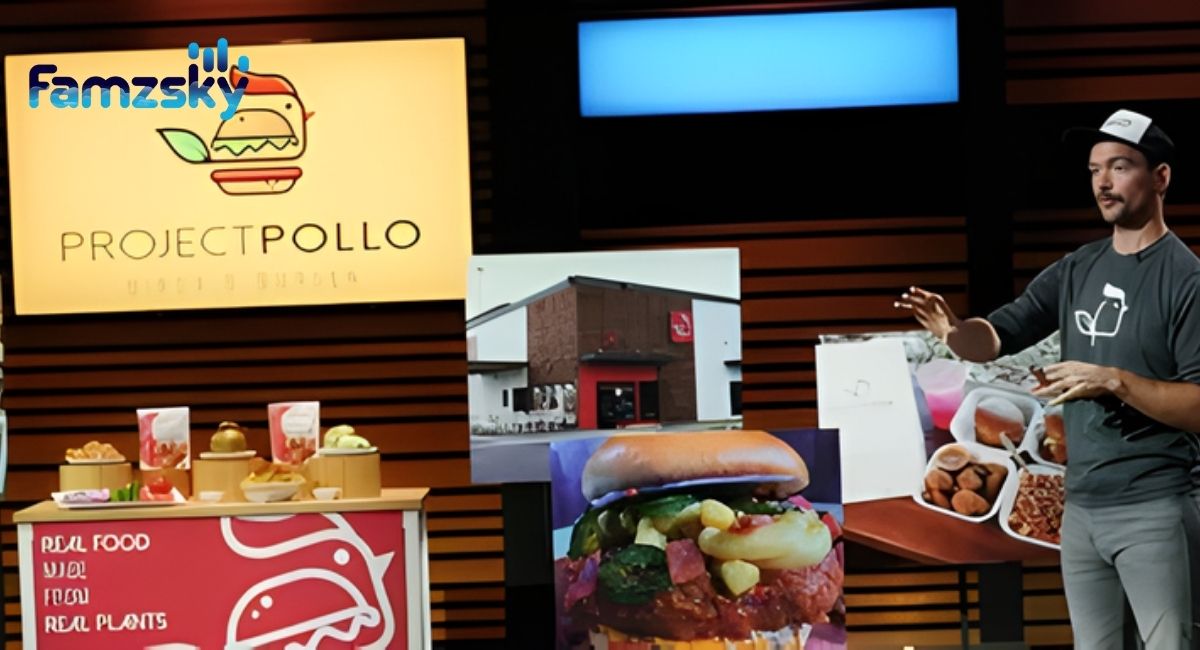
Project Pollo has emerged as one of the fastest-growing vegan fast-food chains in the USA, turning the traditional plant-based market on its head. Founded in 2020 by Lucas Bradbury in San Antonio, Texas, the chain set out to provide affordable vegan fast food for everyday families rather than targeting premium markets. This approach allowed it to capture a wide audience, combining taste, convenience, and affordability. By prioritizing accessibility, Project Pollo made plant-based meals mainstream, attracting both vegans and omnivores looking for healthier alternatives.
By 2026, analysts estimate Project Pollo Net Worth 2026 between $20–30 million, reflecting strong expansion and brand recognition. Lucas Bradbury’s personal wealth, tied mainly to the company, is estimated at $6–12 million. In this article, we explore the company’s business model, financial performance, franchise opportunities, and growth strategy, revealing how Project Pollo became a significant player in plant-based fast-casual dining across the USA.
What Is Project Pollo? Affordable Vegan Fast-Food Chain Overview
Project Pollo is a plant-based fast-casual dining chain that focuses on offering vegan meals at affordable prices. Its menu includes vegan chicken sandwiches, tacos, burritos, and family-friendly combos, appealing to both vegan and non-vegan audiences. Unlike premium chains, Project Pollo keeps pricing accessible, ensuring its products reach a broad market segment, from students to busy families.
The brand emphasizes operational efficiency and high-traffic locations to maintain profitability. Its strategy leverages mainstream plant-based adoption, allowing the company to stand out from traditional fast-food and premium vegan competitors. The combination of affordability, convenience, and taste positions Project Pollo as a go-to option for Americans seeking vegan fast-food expansion opportunities.
Lucas Bradbury Net Worth and Entrepreneurial Journey
Lucas Bradbury founded Project Pollo to fill the gap between high-priced vegan restaurants and traditional fast-food options. With prior experience in real estate and small businesses, Bradbury applied his entrepreneurial skills to develop a scalable and profitable vegan restaurant chain USA.
Bradbury’s hands-on approach—from menu testing to opening initial locations—ensured early operational success. By 2026, Lucas Bradbury net worth is estimated at $6–12 million, mostly tied to his equity in Project Pollo. His journey highlights the growing potential of plant-based business growth when combined with accessible pricing and efficient operations.
Project Pollo Business Model: High Volume, Low Margin Strategy
Project Pollo employs a high-volume, low-margin business model. This strategy focuses on keeping prices low to attract more customers while compensating with high transaction volumes. Each location is optimized for efficiency, reducing overhead costs and waste.
Key strategies include bulk ingredient sourcing, simple menu items, and strategic high-traffic locations. These approaches enable quick service while maintaining profitability. By scaling carefully, Project Pollo proves that affordability and sustainable operations can coexist in a fast-food chain valuation context.
Project Pollo Net Worth 2026: Company Valuation and Financial Growth
Project Pollo Net Worth 2026 is estimated at $20–30 million. Analysts calculate this valuation using revenue multiples, asset holdings, brand recognition, and growth potential.
| Metric | Details |
| Estimated Net Worth | $20–30 million |
| Company Assets | Locations, equipment, inventory, intellectual property |
| Revenue 2026 | $9–13 million |
| Profit Margin | 15–25% per location |
| Growth Drivers | Franchise expansion, brand recognition, high-volume sales |
Since 2020, Project Pollo expanded rapidly, combining company-owned and franchise locations to boost revenue. Investor interest surged after its Shark Tank exposure, further strengthening valuation and confirming the potential for sustainable restaurant business growth.
Revenue Streams and Annual Earnings Breakdown of Project Pollo
Project Pollo generates revenue from multiple sources, ensuring financial stability and growth potential:
- Restaurant sales: Core source driven by high daily customer traffic
- Franchise fees and royalties: Expanding as franchise locations increase nationwide
- Catering services: Corporate and private events boost seasonal earnings
- Merchandise & licensing: Potential future revenue diversification
- Also Read Mally Roncal Husband: 5 Key Facts on Love & Family
Revenue 2026 Estimate Table
| Revenue Stream | Annual Estimate |
| Restaurant Sales | $7–10 million |
| Franchise Fees | $1–2 million |
| Catering Services | $700k–$1.2 million |
| Merchandise & Licensing | $100k–$300k |
This combination of revenue streams supports Project Pollo financial performance, reduces dependency on a single source, and reinforces long-term growth strategies.
Franchise Opportunities and Investment Requirements for Project Pollo
Project Pollo offers franchise opportunities that make entering the vegan fast-food expansion market attractive. Franchisees receive training in operations, marketing, and supply chain management, plus ongoing support.
Franchise highlights:
- Investment range: $150,000–$300,000 (equipment, leasehold improvements, working capital)
- Turnkey support: Menu, training, marketing, operations guidance
- ROI timeline: 18–36 months for successful locations
Franchisees benefit from a proven high-volume low-margin business model, strong brand recognition, and a vegan menu for families that appeals to mainstream audiences.
Project Pollo Shark Tank Appearance and Investor Impact
Project Pollo appeared on Shark Tank Season 14, gaining national visibility. While the deal terms are confidential, the show significantly boosted brand recognition and investor confidence.
Shark Tank impact:
- Surge in franchise inquiries and customer interest
- Increased brand credibility and media attention
- Highlighted operational efficiency and Project Pollo investment opportunities
The exposure validated the business model and accelerated vegan fast-food expansion, confirming the chain’s potential for national growth and profitability.
Expansion Plans and Market Position in the Vegan Fast-Food Industry
Project Pollo continues expanding across Texas and neighboring states. The strategy blends company-owned locations with franchises to scale efficiently without excessive capital outlay.
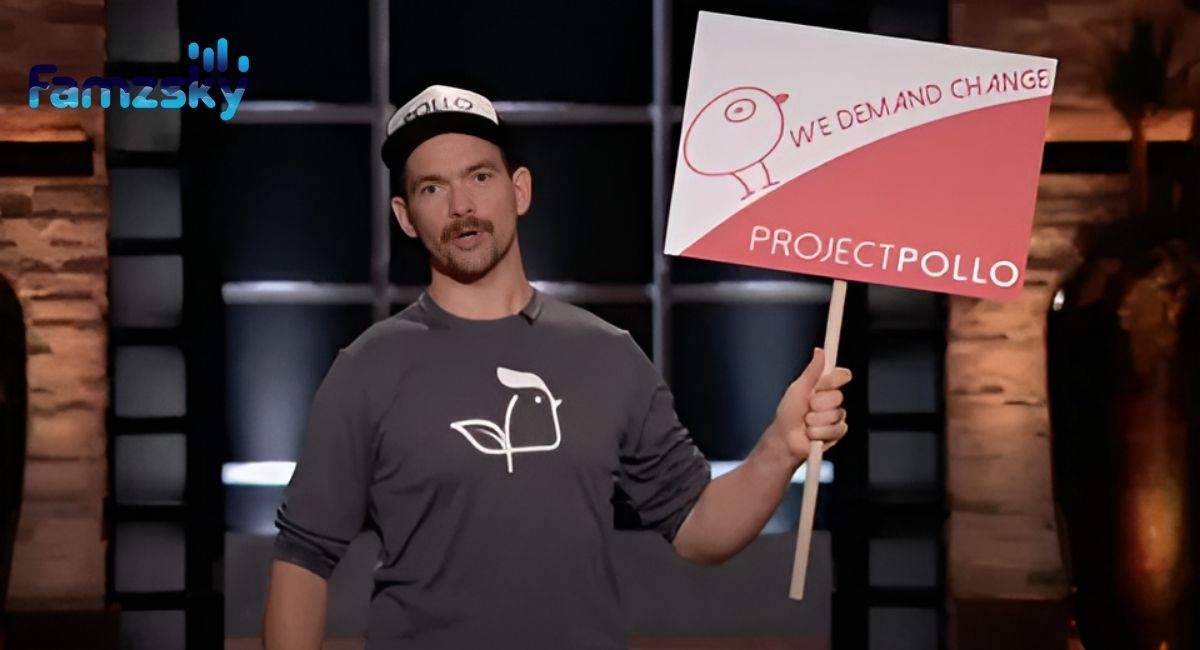
Its market position is strong: it competes with premium vegan chains and traditional fast-food restaurants by focusing on affordable vegan fast food. The growing trend of mainstream plant-based adoption ensures Project Pollo maintains a competitive advantage in the plant-based fast-casual dining sector.
Long-Term Sustainability and Profitability of Project Pollo
Project Pollo demonstrates that affordable plant-based food can coexist with strong profitability. Efficient operations, high customer traffic, and careful cost management ensure sustainable growth.
Key sustainability factors:
- Rapid break-even per location
- Streamlined operations reduce waste and overhead
- Adaptability to market trends and customer preferences
This balance between affordability and profitability allows Project Pollo to maintain strong Project Pollo financial performance, while continuing to expand nationwide.
Future Outlook: Growth Potential and Project Pollo Valuation Forecast
Analysts forecast that Project Pollo Net Worth 2026 could more than double within the next 3–5 years. Growth drivers include:
- Expansion into new U.S. states and metro areas
- Increasing franchise adoption and licensing opportunities
- Rising mainstream plant-based adoption
| Metric | 2026 | 2030 Projection |
| Net Worth | $20–30 million | $50–60 million |
| Revenue | $9–13 million | $30–35 million |
| Franchise Locations | 25–35 | 100+ |
With innovation, menu diversification, and strategic expansion, Project Pollo is positioned to remain a leading affordable vegan fast-food chain in the USA.
Conclusion
Project Pollo net worth 2026 highlights the success of a mission-driven, affordable vegan fast-food chain. Lucas Bradbury’s vision turned a small Texas startup into a multi-million-dollar operation, proving that plant-based dining can thrive in the mainstream.
With diverse revenue streams, a high-volume business model, and strategic franchise expansion, Project Pollo is poised for continued growth. The chain’s popularity among families, investors, and plant-based consumers demonstrates its long-term sustainability and potential to dominate the vegan restaurant chain USA market.
FAQs
What is Project Pollo net worth in 2026?
Project Pollo net worth 2026 is estimated at $20–30 million, driven by multiple revenue streams, franchise expansion, and high-volume affordable vegan fast-food operations across the USA.
How much is Lucas Bradbury worth?
Lucas Bradbury net worth is approximately $6–12 million, primarily from his ownership stake in Project Pollo, supplemented by real estate holdings and other entrepreneurial ventures.
Did Project Pollo get a deal on Shark Tank?
Project Pollo appeared on Shark Tank Season 14. While deal terms remain confidential, the exposure boosted brand awareness, franchise inquiries, and investor confidence significantly.
What is Project Pollo’s annual revenue?
Project Pollo revenue 2026 is estimated at $9–13 million, generated through restaurant sales, franchise fees, catering services, and potential merchandise or licensing opportunities.
How much does a Project Pollo franchise cost?
A Project Pollo franchise costs between $150,000 and $300,000, covering equipment, leasehold improvements, and working capital, with typical ROI achieved in 18–36 months for successful locations.
